
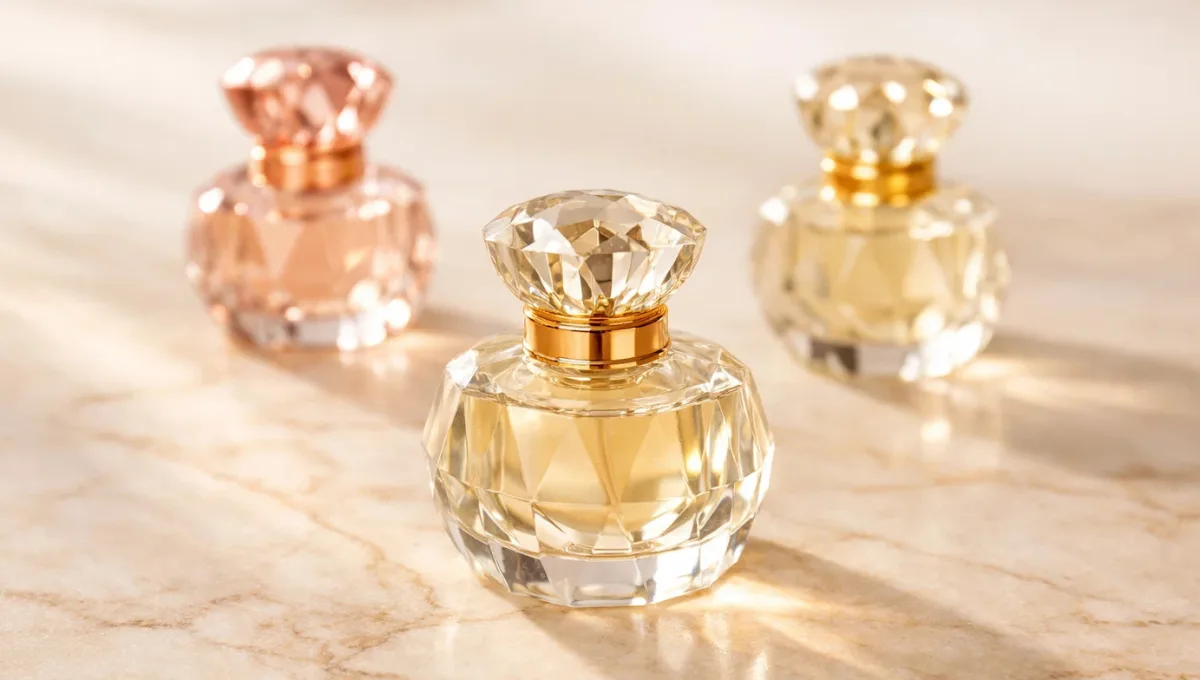
Luxury Perfumes for Women: There’s a moment I remember vividly from a dinner in New York last spring. A woman sitting across from me leaned forward during conversation, and I caught the faintest trace of something beautiful lingering in the air. It wasn’t loud or aggressive. It didn’t announce itself. But somehow, it made me pause mid-sentence. Later, when I asked her about the scent, she smiled and said it was something her grandmother had worn, reformulated by a perfumer in Grasse, France, just for her family.
That’s the magic of true luxury perfume. It’s not about the price tag or the designer name on the bottle, though those things certainly matter. It’s about that invisible thread connecting you to something meaningful, something that whispers rather than shouts, something that makes people say, “You smell wonderful,” instead of “What is that perfume?”
The Quiet Art of Smelling Extraordinary
In 2026, we’re witnessing a fascinating shift in how affluent women approach fragrance. The age of logomania and flashy prestige brands is quietly giving way to something more discerning: a hunger for authenticity, craftsmanship, and scents that feel personal rather than purchased. Forget the department store counters drowning in crystal bottles. Today’s luxury fragrance conversation happens in whispered recommendations, through beauty editors who’ve actually tested these scents for months, and among women who understand that a truly expensive-smelling perfume isn’t necessarily the most expensive one in the store.
As someone who’s spent years covering the luxury market and speaking with everyone from independent perfumers to fragrance collectors, I’ve noticed something striking: the women who smell the best aren’t always wearing the most famous names. They’re wearing fragrances that have been carefully chosen for their skin chemistry, their lifestyle, and their values. They understand that luxury isn’t one-size-fits-all. It’s deeply, beautifully personal.
This guide exists because I believe you deserve to navigate this world with clarity and confidence. Whether you’re exploring your first high-end fragrance or curating a sophisticated collection, we’ll walk through everything you need to know: where to find genuine luxury in a crowded market, how to recognize quality that justifies the investment, which houses are actually delivering excellence in 2026, and how to build a fragrance wardrobe that feels like an extension of who you really are.
Understanding What “Expensive-Feeling” Actually Means
When we talk about a perfume that “feels expensive,” we’re really talking about several layered qualities that work together. It’s easy to assume that price equals quality, but anyone who’s ever spritzed a $200 fragrance only to find it smells cheap and synthetic knows that’s not true. True luxury in perfume is something you can recognize once you understand what to look for.
The longevity factor. A luxury perfume should have staying power. I’m not talking about overwhelming projection that follows you into the elevator and announces your arrival. I mean the kind of scent that evolves gracefully over hours, that you can still smell on your wrist at 3 p.m. after applying it that morning. This requires higher concentrations of fragrance oils, which is why professional fragrances (eau de parfum, parfum) cost more than eau de toilette. The investment is in the actual perfume concentration, not marketing.
The development and complexity. Walk into a luxury boutique and ask to smell a truly exceptional fragrance. Notice how it doesn’t reveal itself all at once. The top notes arrive first (usually citrus, herbs, or fruits), sparkling and bright. After 15 minutes or so, the heart notes emerge, which is where the actual character of the fragrance lives. Then, hours later, the base notes settle in: musk, woods, amber, perhaps a whisper of vanilla. This three-act performance is the signature of thoughtful composition. Budget fragrances often smell flat and linear because there’s simply less complexity engineered into them.
Ingredient quality and sourcing. This is where true craftsmanship reveals itself. Luxury houses source their raw materials with obsessive attention. They might use absolutes from Grasse that have been carefully harvested and extracted. They choose Bulgarian rose oil over synthetic versions. They invest in rare accords and private supplier relationships. You can’t always smell this directly, but you sense it in the sophistication of the scent’s evolution and in how skin chemistry enhances rather than fights the fragrance.
The ethical and transparent sourcing story. In 2026, authenticity extends to how fragrance houses operate. Women today are asking harder questions: Where do these ingredients come from? Are they sustainably harvested? Is the house transparent about their processes? Luxury brands that can answer these questions with genuine detail and documentation feel more valuable because they’re not hiding anything. There’s confidence in transparency.
The emotional resonance and longevity in memory. This might sound poetic, but it matters. A luxury perfume should create moments. It should be something you remember from your childhood, or that transports you somewhere, or that makes you feel like the best version of yourself. The fragrances that linger in our memory are the ones that worked on a psychological level, not just a chemical one.
The Difference Between Designer Fragrances and True Luxury Niche Perfumes
Here’s where I need to be honest about something that the fragrance industry doesn’t always want you to know: not all expensive fragrances are luxury fragrances. Many well-known designer brands charge premium prices because of their fashion heritage and marketing budgets, not necessarily because the juice in the bottle is exceptional.
I’ve spoken with women who spent $150 on a designer fragrance expecting luxury and felt disappointed within weeks. Meanwhile, others discovered independent niche perfumers and found themselves completely transformed by the experience. The difference often comes down to where the brand’s priorities actually lie.
Designer fragrances: The strengths and the reality. Designer houses have one major advantage: accessibility and consistency. You can walk into any department store and find their fragrances. The presentation is beautiful, the marketing is sophisticated, and you know what you’re getting. Many designer fragrances are genuinely lovely, and there’s nothing wrong with enjoying them. The issue arises when you pay a $150 price tag for what’s often a $40 formulation with $110 worth of packaging, marketing, and brand prestige. Some designer fragrances absolutely deserve their price (we’ll discuss which ones), but many rely on brand recognition rather than exceptional juice.
Niche and independent perfumers: Where the real artistry lives. This is where 2026 is getting exciting. Independent perfumers and smaller luxury houses are creating fragrances that rival anything coming from major fashion conglomerates. They typically invest more per bottle in actual ingredient quality because they’re not spending tens of millions on runway shows and celebrity endorsements. They tell you exactly who their perfumer is, often share the story of the fragrance’s creation, and operate with complete transparency about their process.
The emerging category that’s gaining serious traction right now is what I call “approachable niche.” These are houses that maintain the artistry and ingredient quality of true independent perfumery but have become slightly more accessible in terms of availability and price point. Not quite as expensive as ultra-luxury heritage houses, but absolutely more sophisticated than department store designer fragrances.
The middle ground that’s worth exploring. Some of the most interesting fragrances right now exist in a beautiful middle space. Heritage brands with real fragrance credentials (houses that have been making exceptional scents for decades) that are still independent or semi-independent. Japanese luxury perfume houses that are gaining international recognition. Indie perfumers with cult followings who’ve grown large enough to maintain supply chains. This is where I’ve been finding the most genuinely exciting discoveries for discerning women in 2026.
Also read:- Smart Lifestyle Trends Reshaping Luxury Island Living in 2026
Fragrance Families and Finding Your Signature Scent
Before we dive into specific recommendations, it helps to understand the basic fragrance families. This isn’t just perfume snobbery (though it can be). Understanding these categories helps you navigate the market with intention and discover scents you’ll actually love wearing.
Floral fragrances. The largest category, ranging from simple single-flower scents (like a true rose fragrance) to complex florals with fruits, woods, and spices woven in. Florals can feel romantic, or professional, or sensual, depending on their composition. A delicate white floral is completely different from a tuberose-based fragrance, which can feel loud and sexual.
Oriental and amber fragrances. Warmer, often sweeter scents built around amber, vanilla, musk, and woods. These tend to feel luxurious and indulgent, often more sensual. They’re exceptional for evening wear and colder months. Be cautious here because sweetness can tip into cloying if the composition isn’t excellent.
Fruity fragrances. Built around fruit notes like peach, blackberry, lemon, or apple. These feel fresher and younger than you might expect, though some fruity fragrances lean sensual. They work beautifully for warmer months and daytime wear.
Fresh and citrus fragrances. These feature lemon, grapefruit, bergamot, and other bright notes. They’re incredibly wearable for everyday situations and feel clean and energizing. The challenge is that citrus notes fade quickly unless the base is strong enough to hold them.
Herbal and aromatic fragrances. Built around herbs, spices, and greenery. These can feel sophisticated and slightly unconventional. They’re exceptional for women who want something that stands out but remains wearable.
Woody fragrances. Centered on notes like sandalwood, cedar, vetiver, and patchouli. These feel earthy and grounding, often lean slightly masculine or unisex, and are increasingly popular with women who want something different from traditional florals.
Chypre fragrances (pronounced “sheep-ruh”). A more classical structure built around citrus, florals, and woody notes with a distinctive dry quality. These feel sophisticated and timeless, though fewer houses are doing them well today.
The key to finding your signature scent isn’t just understanding these families. It’s knowing which ones resonate with your life, your body chemistry, and your aesthetic. The most expensive fragrance in the world won’t feel luxurious if it’s not actually you.
Top Luxury Perfumes for Women in 2026
Let me walk you through some fragrances that genuinely deserve their price tags and will make you feel like you’ve invested in something real.
Heritage Luxury Houses That Deliver
These are brands with serious fragrance credentials, often decades of real perfumery expertise, and continued commitment to quality ingredients and composition.
Frederic Malle. If you’re exploring luxury perfume seriously, this is essential. Frederic Malle is a perfume lover’s house, founded on the principle of showcasing individual perfumers’ artistry rather than creating a “house signature.” Every fragrance has a name that clearly identifies the perfumer. The bottles are beautiful but understated. The prices are significant (typically $200-400), but the justification is real: exceptional raw materials, complex compositions, and genuine staying power. Recommendations include “Carnal Flower” (a tuberose fragrance that’s sensual without being overwhelming), “Portrait of a Lady” (a complex oriental that actually deserves its cult status), and “Lipstick Rose” (more modern and slightly fruity take on rose). The experience of shopping with them is also notable—they take fragrance seriously without pretension.
Creed. An older house than you might think (founded in 1760), Creed has maintained genuine credibility through actual ingredient quality and craftsmanship. Their fragrances are expensive (often in the $300-400 range), but you’re paying for real materials and real complexity. “Aventus” became famous (perhaps too famous), but “Spring Flower,” “Millesime Imperial,” and “Love in Black” deserve just as much attention. The house recently made their perfumer credits more transparent, which is a sign of confidence in their actual artistry.
Miller Harris. A London-based luxury house that’s been making exceptional fragrances since 1885. They’re less famous than some competitors, which actually works in their favor because you’re getting genuine craftsmanship without the massive marketing overhead. Their fragrances are sophisticated and often slightly unconventional. Expect to pay $250-350 for eau de parfum.
The Niche Luxury Explosion
These are smaller houses or independent perfumers creating exceptional work that’s starting to gain deserved recognition.
Orto Parisi. A line of intensely composed fragrances, each with serious artistic intent. Founded by a perfumer interested in pushing boundaries, these fragrances feel experimental but remain genuinely wearable. “Megamare” is exceptional (salty, ozonic, slightly masculine but absolutely gorgeous on women), and “Stanza” offers a softer, more floral alternative. Prices range from $180-250, but the intensity means a little goes a long way.
Niche Japanese luxury. Japanese perfumery is experiencing a renaissance right now. Houses like “Kyoto,” “Nippon Kodo,” and emerging brands are creating fragrances that reflect Japanese aesthetics: minimalism, restraint, and deep attention to natural materials. These often feature hinoki wood, yuzu, or other distinctly Japanese elements. They feel expensive because they’re built on real craftsmanship and quality, but they’re often more accessible in price ($150-280) than their European equivalents. The fragrance culture in Japan takes things seriously, and it shows in the final product.
Independent and micro-batch perfumers. This is where I’ve found some of the most exciting discoveries. Small-batch perfumers working with master perfumers from Grasse are creating beautiful work and selling directly to consumers, often at lower price points ($100-200) than you’d expect. The challenge is finding them (boutique fragrance websites, independent online retailers, word-of-mouth in fragrance communities). The advantage is absolute transparency about ingredients, direct access to the perfumer’s vision, and often, genuine artistry without commercial compromise.
Emerging Luxury Houses Worth Your Attention
Heeley Perfumes. A British house known for earthy, slightly unconventional fragrances. “Sel Marin” and “Ovum Mortuum” (yes, that’s the name, and yes, it’s beautiful) represent their commitment to real ingredients and sophisticated composition. Prices around $150-200 for eau de parfum.
Susanne Lang. A newer house (relatively speaking) that’s already building serious credibility. Their fragrances feel personal and artistic, with perfumer credits front and center. Expect to pay $180-250.
CB I Hate Perfume. The name is deliberately anti-marketing, which tells you something about the philosophy. These are fragrances focused on genuine materials and real artistry. “Landscape Series” is exceptional for exploring how fragrance can evoke place and memory.
A Practical Comparison Table for Your Research
| Fragrance House | Price Range | Accessibility | Best For | Key Strength |
|---|---|---|---|---|
| Frederic Malle | $200-400 | Online, select boutiques | Perfume enthusiasts | Perfumer transparency, complex composition |
| Creed | $300-400 | Online, boutiques | Heritage lovers | Real materials, longevity, prestige |
| Miller Harris | $250-350 | Online, UK boutiques | Sophisticated daily wear | Craftsmanship, understated luxury |
| Orto Parisi | $180-250 | Specialty online | Bold personalities | Artistic vision, intensity |
| Japanese niche | $150-280 | Specialty online | Minimalist aesthetics | Natural materials, restraint |
| Independent perfumers | $100-200 | Direct from makers | Discerning individuals | Transparency, artistry, value |
| Heeley | $150-200 | Specialty online | Nature lovers | Earthy authenticity |
Building a Fragrance Wardrobe That Works
Most women don’t need to own 50 fragrances. What they need is a thoughtfully curated selection that covers different moments and seasons. Think of it like a wardrobe where each piece serves a purpose.
The foundational approach. Start with no more than three fragrances: one for everyday that feels like you, one for evening or special occasions, and one for a different season. This might sound limiting, but it’s where most women find real satisfaction. A single exceptional daily fragrance will get more use and bring more joy than a collection of 15 that you rotate through confusion.
Expanding thoughtfully. Once you have your foundation, you can add seasonally. A brighter, more citrus-forward fragrance for summer. Something richer and warmer for winter. Perhaps something in the evening category that’s different from your first choice. This is when women start to understand their own preferences and what actually works on their skin.
The layering strategy. Luxury fragrance appreciation includes understanding that scents can be layered. Some houses now make fragranced body lotions, oils, or shower products that complement their signature fragrances. Using these creates a more sophisticated, longer-lasting effect. It’s also how you make a fragrance feel more personal and special, because you’re creating an entire sensory experience rather than just wearing a scent.
Seasonal considerations. Heavier, warmer scents (Oriental, amber, woody) feel better in cooler months. Lighter, fresher fragrances (citrus, fruity, fresh florals) work beautifully in summer. This isn’t a hard rule, but it’s a natural law of how fragrance behaves on skin and how it reads to others. A tuberose fragrance in July reads differently than the same fragrance in January.
Investment Value and Resale
Here’s something rarely discussed: some luxury fragrances actually hold or even appreciate in value. This isn’t why you should buy fragrance (emotional satisfaction and daily wear are the real returns), but it’s worth understanding if you’re thinking about this as part of a larger luxury investment portfolio.
Fragrances that hold value. Discontinued scents from respected houses occasionally become more valuable as collectors seek them. Vintage Chanel perfumes, vintage Guerlain, certain Creed fragrances that are no longer in production. However, this requires excellent condition storage and bottles, and predicting which scents will become sought-after is nearly impossible.
Why you shouldn’t buy purely for investment. The fragrance market is unpredictable, and the only financial return that matters is how much daily joy you get from wearing something exceptional. If you invest $300 in a beautiful fragrance and wear it regularly, you’re already getting returns in happiness and confidence. Don’t buy something you don’t love hoping it might be valuable someday.
Where value preservation does matter. If you do invest in luxury fragrances, store them properly (cool, dark, upright) and keep the original bottles. This maintains the actual physical product. Some boutique retailers and resale platforms exist for fragrance, and while they’re not common like resale for designer handbags, they’re growing. Websites like FragBuy and Discogs (yes, really) have fragrance sections. But again, this should be secondary to whether you actually love wearing something.
How to Actually Test and Purchase Fragrance Smartly
The most expensive mistake in fragrance is buying something without proper testing because you loved it in the bottle or on a tester strip. Fragrance is deeply personal, and what smells beautiful on someone else might clash with your body chemistry.
The testing protocol that works. When you test a fragrance, apply it to your inner wrist and wait at least 15 minutes before making any judgment. Most fragrances go through a chemical adjustment period with skin heat. The scent you smell in the first three minutes is not the scent you’ll wear all day. Wait 30 minutes. Walk around. Let your skin chemistry interact with the oils. Notice how it develops. This is the actual fragrance you’re evaluating.
Fragrance strips versus skin testing. Never, ever buy based only on how something smells on a paper strip. I’ve seen women do this and regret it immediately. Fragrance needs to interact with your skin’s natural oils and pH to reveal itself. What smells beautiful on a strip might smell completely different on you.
The sampling strategy. Most luxury fragrance boutiques offer samples for a small fee ($5-15) or sometimes free. Request samples before committing to a full bottle. Wear the sample for several days. See how you feel about it after a week. This is how you avoid expensive mistakes. Reputable online retailers also offer sample sets. This small investment upfront saves regret later.
Where to buy for authenticity and value. Department stores can be fine, but you’ll often pay full price and might face pressure to buy. Specialty fragrance retailers (online and physical) often have better pricing, knowledgeable staff, and sample availability. Authorized retailers of luxury houses are important because the fragrance market includes counterfeits. Buy from brands’ official websites, established luxury retailers, or authorized sellers. If the price seems too good to be true for a luxury fragrance, it probably is.
The international angle. Many fragrances are cheaper in Europe due to different pricing structures and tax situations. However, buying internationally and importing has complications (international shipping costs, duties, potential authentication issues with grey market goods). Calculate the actual cost before assuming you’re saving money.
Trends and What’s Actually Happening in 2026
The fragrance world is shifting in some meaningful ways right now, and understanding these trends helps you invest in scents that will feel relevant and beautiful for years.
The sustainability and transparency movement. Luxury fragrance houses are facing real pressure to disclose ingredients, source sustainably, and operate ethically. The brands responding to this seriously are gaining credibility. Expect more houses to become transparent about their supply chains, more sustainable sourcing of ingredients, and less of the mystery-surrounding perfume composition. This is genuinely good for everyone because it means higher quality and more ethical business practices.
The anti-fragrance backlash and personal scent approach. Simultaneously, there’s pushback against wearing strong fragrance around others (sensitivities, workplaces, shared spaces). This is pushing the fragrance industry toward subtler compositions and more personal application. Lighter concentrations in eau de toilette, fragrances applied only to pulse points, and scents designed to interact more intimately with your skin chemistry rather than project broadly. This actually creates space for truly exceptional fragrances that don’t need to announce themselves.
The return to natural materials and artisanal methods. As synthetics have improved, some consumers are pushing back against fully synthetic fragrances and requesting more natural materials. Houses are responding by highlighting their use of absolutes, natural extracts, and classical perfumery methods. This makes fragrances more expensive to produce but also more sophisticated and often more interesting.
Personalization and bespoke fragrance services. There’s growing interest in custom or bespoke fragrance creation. Some luxury houses and independent perfumers now offer services where you collaborate on a fragrance custom-made for you. This used to be exclusively for ultra-wealthy clients. Now it’s becoming more accessible (though still expensive: typically $500-2,000 for true bespoke). This trend reflects the desire for authenticity and personal connection that’s characterizing luxury in 2026.
Smaller bottles and better quality over quantity. Many women are moving away from owning large bottles of mediocre fragrances and toward owning small bottles of exceptional ones. This makes sense because a truly great fragrance needs less product per application, and you’ll actually wear it more. A 50ml bottle of something exceptional gives more satisfaction than a 100ml of something decent.
Also read:- Zero Waste Lifestyle: Practical Daily Habits for a Sustainable Lifestyle
Addressing Common Concerns and Misconceptions
“Luxury fragrance is just marketing and price markup.” Some is. Some isn’t. The way to tell the difference is by understanding what you’re actually paying for: ingredient quality, composition complexity, longevity, and the brand’s actual investment in perfumery expertise versus marketing budgets. Do your research. Read perfumer credits. Understand the house’s history. You can absolutely identify genuine craftsmanship when you know what to look for.
“My nose will get used to my fragrance and I won’t smell it anymore.” This is called olfactory adaptation, and it’s true. Your nose does get used to constant scents. This is actually a feature, not a bug. It means your fragrance becomes personal and subtle on you while others can still smell it. Don’t interpret this as your fragrance “stopping working.” It’s working exactly as it should.
“I should buy what’s popular because it must be good.” Not necessarily. Popular fragrances are often popular because of marketing, celebrity endorsements, or being accessible in department stores. Some genuinely fantastic fragrances are worn by hardly anyone because they’re not marketed aggressively. Trust your own nose and research. Read fragrance community forums where actual enthusiasts discuss scents thoughtfully.
“Expensive fragrances last longer.” Usually, yes, because of higher fragrance concentration. But some expensive fragrances don’t last as long as you’d expect, and some moderately priced fragrances surprise you with longevity. This is another reason testing matters. Don’t assume price guarantees longevity.
“I need to spend $300+ to get something luxury.” Not always. I’ve found exceptional fragrances in the $100-200 range from independent perfumers and emerging houses. Some $300+ fragrances aren’t worth it. Price is one factor in luxury, but craftsmanship, ingredient quality, and personal resonance matter just as much.
Practical Next Steps: How to Start Your Exploration
If you’re ready to explore luxury fragrance meaningfully, here’s a clear path forward.
Step 1: Identify your preferences. Before shopping, think about what draws you emotionally. Are you naturally drawn to florals, or do you prefer woody, earthy scents? Do you love fresh and bright or warm and sensual? This doesn’t lock you into anything, but it gives you a starting point. Think about fragrances you’ve loved in the past, even if they were everyday fragrances. What did you like about them?
Step 2: Choose a boutique or trusted retailer. Whether this is a physical boutique in your city or a reputable online retailer, find somewhere you trust. Look for places that offer samples, provide perfumer information, and seem genuinely interested in helping you find something right rather than just selling you something. Read reviews. Look at their return policies. Verify they’re authorized retailers if you’re buying from specific houses.
Step 3: Request samples of three fragrances. Start narrow, not overwhelming. Based on your preferences and research, ask for samples of three fragrances that genuinely intrigue you. These might span different families or all be within one category. Wear each for at least a few days. Keep notes on how they develop and how you feel wearing them.
Step 4: Make your first investment thoughtfully. Once you know which sample you love, you can confidently buy the full bottle. This is where investing in luxury fragrance stops being guesswork and starts being satisfaction. You know it will work for you because you’ve tested it properly.
Step 5: Join fragrance communities (optional but enriching). Reddit’s r/fragrance, fragrance forums, and Instagram fragrance communities are where real enthusiasts gather. These communities are genuinely knowledgeable and helpful. You’ll discover new houses, get honest reviews, and find that fragrance appreciation is a real hobby with a welcoming community. The gatekeeping exists (as it does in any passionate community), but most people are happy to help newcomers.
Step 6: Revisit and expand slowly. Once you have a fragrance you love, enjoy it for several months before adding another. This lets you truly know it and understand how it fits your life. When you’re ready for something new, you’ll do so from a place of knowledge rather than impulse. This is how curated collections happen rather than overwhelming ones.
FAQ: Questions Fragrance-Curious Women Actually Ask
1. How do I know if a fragrance will work with my skin chemistry?
You don’t without testing. Fragrance reacts differently with different skin pH levels, natural oils, and body chemistry. This is why testing is non-negotiable. What smells beautiful on your friend might smell different on you. Wear samples for at least a few days before committing to buying.
2. Should I go with what smells good or what I think I “should” wear?
Always go with what genuinely makes you happy. Luxury fragrance is deeply personal. If you love a certain scent, that’s the right choice, even if it’s unconventional. Your fragrance is not a status symbol; it’s something you wear daily. Make sure you actually love it.
3. How much fragrance should I apply?
Less than you think. Two to three spritzes on pulse points (wrists, behind ears, inside elbows) is typically plenty. If you can smell it strongly on yourself, others will smell it more intensely. The goal is that others catch a pleasant trace of it, not that it announces your arrival. Lighter application also makes bottles last longer.
4. What’s the difference between eau de parfum and eau de toilette?
Fragrance concentration. Eau de parfum has higher concentration of fragrance oils (typically 15-20%), making it longer-lasting and more intense. Eau de toilette has lower concentration (typically 5-15%), making it lighter and more affordable. For luxury investment, eau de parfum generally offers better value because it lasts longer and you need less per application.
5. Can I wear the same fragrance year-round?
Absolutely. If you love something, wear it. However, heavier scents often feel less pleasant in summer heat, and fresh scents might feel insubstantial in winter. Many women have a signature fragrance they wear year-round and then seasonal additions. Do what feels right to you.
6. How do I store fragrance to make it last?
Cool, dark, dry place away from sunlight. Keep bottles upright. Don’t shake them (shaking introduces air bubbles that can degrade the fragrance). Avoid bathrooms with humidity and temperature fluctuations. A bedroom closet or cool cabinet works better than a bathroom shelf. Proper storage helps fragrance maintain its integrity for years.
A Closing Thought
Luxury fragrance isn’t about buying the most expensive bottle or the most famous name. It’s about recognizing quality, trusting your own nose, and investing in something that genuinely brings you joy every time you wear it. It’s about understanding that something expensive-feeling doesn’t have to be expensive, and something expensive doesn’t have to feel that way at all.
I’ve spent years navigating this world, and the most consistent truth I’ve found is this: women who are happiest with their fragrances are those who took time to understand their own preferences first, tested thoughtfully before buying, and chose based on genuine resonance rather than external validation. These are the women you notice in a room not because their fragrance announces itself loudly, but because there’s something quietly exceptional about how they smell. That’s the real luxury.
Whether this is your first venture into luxury fragrance or you’re expanding a collection you’ve built over years, I hope this guide gave you the clarity and confidence you deserve. Trust yourself. Take your time. Test before you buy. And remember that the best fragrance is always the one that makes you feel like the most beautiful version of yourself.
Warmly,
Alison Rosen
If you’d like to share your fragrance journey or ask questions, I’d love to hear from you in the comments below. What’s your signature scent, or what are you searching for?
2 thoughts on “Luxury Perfumes for Women That Feel Expensive in the Best Way”