
I’ll be honest with you: when I first heard about the wave of boutique luxury apartment developments reshaping urban island communities in 2026, I was skeptical. Another “luxury” label slapped on cookie-cutter units? But as I’ve traveled through the Caribbean and coastal destinations over the past year, speaking with developers, residents, and real estate professionals, I’ve witnessed something genuinely different emerging. The Noria Robson luxury apartments concept represents part of a broader shift in how affluent Americans are rethinking elevated living spaces, particularly in island and coastal settings.
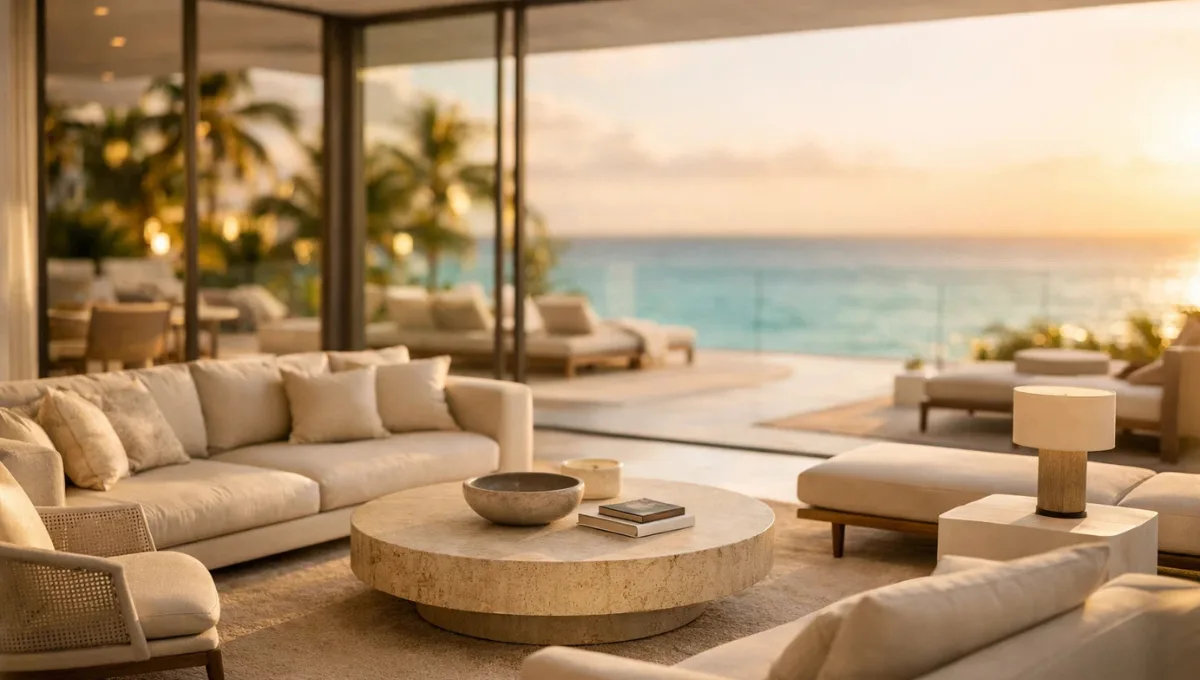
Picture this: You’re standing on a private terrace, morning coffee in hand, watching pelicans skim across turquoise water. Your apartment isn’t just a place to sleep. It’s designed with biophilic principles, features smart home technology that actually enhances your life rather than complicating it, and sits within a community that values both privacy and meaningful connection. This isn’t fantasy. It’s the reality that modern luxury apartment developments are delivering in 2026, especially in Caribbean and coastal markets increasingly popular with American buyers.
The luxury apartment sector has matured dramatically. We’re past the era of granite countertops and stainless appliances being called “luxury.” Today’s discerning buyers expect regenerative design, wellness-integrated spaces, and authentic sustainability, not greenwashing. Flight times from major US cities to Caribbean destinations average just 3-4 hours. The legal frameworks are clearer than ever, with established citizenship and residency programs in places like the Bahamas, Turks and Caicos, and select Caribbean nations. Currency stability, particularly in destinations using the US dollar or pegged currencies, removes a significant investment risk.
What makes 2026 particularly compelling? Privacy has become the ultimate luxury. High-net-worth individuals are actively seeking alternatives to crowded mainland cities, and luxury apartments in carefully designed island communities offer something unique: the sophistication of urban amenities with the tranquility of island life. According to recent market analysis from Sotheby’s International Realty, Caribbean luxury real estate inquiries from US buyers increased 34% in 2025, with apartment-style living gaining ground against traditional villa purchases.

Let me walk you through what’s actually happening in this space, why it matters for American investors and lifestyle seekers, and how to navigate these waters wisely.
Understanding the Modern Luxury Apartment Evolution in Island Settings
The term “luxury apartment” meant something completely different five years ago. Today, we’re talking about residences that blur the lines between hotel-quality service, private home comfort, and community wellness. These aren’t your typical condo conversions.
What Defines True Luxury in 2026?
I’ve toured dozens of properties across the Caribbean, and the standouts share common threads. Quiet luxury has replaced ostentatious displays. You’ll find:
- Thoughtful materials: locally sourced stone, reclaimed hardwoods, natural textiles
- Technology that disappears: integrated smart systems you control intuitively
- Wellness infrastructure: air purification systems, circadian lighting, sound insulation that actually works
- Flexible spaces: rooms that adapt to work, rest, and gathering without feeling like a hotel
True luxury apartments now incorporate regenerative design principles. This means developments that give back to their environments rather than simply minimizing harm. Solar arrays that produce surplus energy. Rainwater harvesting systems. Native landscaping that supports local ecosystems. These aren’t add-ons; they’re foundational.
Also read:- Small Luxury Hotels of the World That Will Make Big Resorts Feel Ordinary
The Service Component That Changes Everything
Here’s what surprised me most: the best luxury apartment communities have cracked the code on service without intrusion. You’re not living in a hotel, but you have access to:
Concierge services that arrange everything from private yacht charters to grocery delivery Maintenance and security that’s invisible until you need it Wellness programming like group yoga, guided meditation, or nutrition consultations Community spaces designed for actual use, not just photos
One buyer I spoke with, a retired executive from Boston, put it perfectly: “I don’t want to manage property. I want to enjoy it. This model gives me freedom.”

Why American Buyers Are Embracing Island Apartment Living Right Now
The pandemic shifted priorities permanently for many affluent Americans. Remote work normalized geographic flexibility. Health and wellness moved from nice-to-have to non-negotiable. And honestly? People are exhausted by mainland chaos.
The Privacy Premium
Privacy has become incredibly valuable. In my conversations with brokers at James Edition, they confirm that buyers are willing to pay significant premiums for developments with limited units, restricted access, and genuine seclusion. Island apartment communities, particularly those with 20-50 units rather than massive high-rises, deliver this naturally.
You’re not dodging paparazzi (probably), but you are creating distance from the constant connectivity of mainland life. One family from San Francisco described their Caribbean apartment as “the only place we completely unplug, by choice.”
Investment Logic That Actually Makes Sense
Let’s talk numbers realistically. Luxury apartments in prime Caribbean locations currently range from $800,000 for well-appointed one-bedrooms to $5 million+ for penthouse units with multiple terraces. That’s comparable to major US coastal cities, but your money often goes further.
Consider this comparison:
| Location | Avg Luxury 2BR Price | Flight Time from Miami | Property Tax | Rental Income Potential |
|---|---|---|---|---|
| Turks & Caicos | $1.8M – $3.5M | 1.5 hours | None | $80K-$150K/year |
| Bahamas (Nassau) | $1.2M – $2.8M | 1 hour | Minimal | $60K-$120K/year |
| Cayman Islands | $1.5M – $4M | 1.5 hours | None | $70K-$140K/year |
| US Virgin Islands | $900K – $2.2M | 3-4 hours | Varies | $50K-$100K/year |
Price ranges based on 2026 market data from Private Islands Online and regional MLS listings
The investment thesis isn’t just appreciation (though Caribbean markets have shown steady 4-7% annual growth in luxury segments). It’s also about:
Rental income when you’re not using the property Portfolio diversification outside US real estate markets
Potential citizenship pathways in countries with investment immigration programs Lifestyle value that’s difficult to quantify but absolutely real
The Sustainability Imperative
This isn’t greenwashing anymore. Affluent buyers in 2026 genuinely care about environmental impact, and they’re putting their money where their values are. According to Knight Frank’s Wealth Report, 73% of high-net-worth individuals now consider sustainability a primary factor in real estate decisions.
The best developments incorporate:
- Solar power systems that reduce or eliminate grid dependence
- Desalination plants with reverse osmosis technology for water independence
- Waste management that includes composting and comprehensive recycling
- Electric vehicle charging infrastructure
- Native plant landscaping that requires minimal irrigation
One development I visited in the Bahamas achieved net-zero energy status. Your air conditioning runs on sunshine. That’s not just environmentally sound; it’s practically brilliant in hurricane-prone regions where power outages happen.
Top Destinations for Luxury Apartment Living
Not all island markets are created equal, especially if you’re based in the United States. Proximity matters. Legal clarity matters. Infrastructure really, really matters.
The Caribbean’s Big Three for Americans
Turks and Caicos: continues to dominate for good reason. Grace Bay Beach consistently ranks among the world’s best. You’ve got direct flights from multiple US cities. No income tax, no property tax, no capital gains tax. The government is stable and actively courting foreign investment.
The luxury apartment scene here has exploded. Developments range from beachfront low-rises to marina-adjacent towers. Prices reflect the premium location, but rental demand from US tourists is exceptionally strong.
The Bahamas: offers unmatched convenience (Nassau is closer to Miami than Key West), decades of experience with foreign ownership, and incredible variety. You can choose between the sophistication of Paradise Island, the tranquility of the Out Islands, or emerging markets like Eleuthera.
The catch? Hurricane exposure is real, and insurance costs reflect that. But modern construction standards have improved dramatically, and many new developments can withstand Category 5 storms.
Cayman Islands: represents the sweet spot of financial infrastructure, political stability, and natural beauty. George Town rivals any Caribbean capital for banking and professional services. Seven Mile Beach provides the postcard setting. And English common law governs property transactions, making the legal process familiar for Americans.
Emerging Markets Worth Watching
I’m seeing sophisticated developments pop up in less traditional locations. Belize offers English as the primary language, affordable property taxes, and a straightforward path to residency. The barrier reef provides world-class diving literally minutes from your door.
Costa Rica: technically isn’t Caribbean, but Pacific coast developments targeting Americans have remarkable quality. The country’s political stability, established expat communities, and “Pura Vida” lifestyle resonate with buyers seeking something beyond beaches.
US Virgin Islands: deserve mention because they’re actually US territory. No passport needed, US currency, familiar legal system. Property can be more expensive, but there are tax incentives for new residents, and you maintain full US citizenship rights.
Also read:- This Cook Islands Resort Made Me Cancel My Return Flight
The Real Costs
Let me be direct about something many developers gloss over: buying the apartment is just the beginning. Understanding total cost of ownership is crucial for making smart decisions.
What You’ll Actually Spend
Homeowners Association (HOA) fees: in luxury developments typically run $800-$2,500 monthly depending on amenities and size. This covers security, common area maintenance, management, insurance on the building structure, and often includes services like landscaping and pool maintenance.
Is it worth it? In my opinion, yes, if you value turnkey convenience. These fees fund the services that make apartment living attractive in the first place. One owner told me, “I pay $1,800 a month, and I haven’t lifted a finger in three years. That’s exactly what I wanted.”
Insurance: is the wildcard. Hurricane coverage in the Caribbean isn’t cheap. Budget $3,000-$8,000 annually for comprehensive coverage on a $2 million property. Some developments include master policies that reduce individual costs.
Property taxes: vary wildly by destination. The Bahamas and Turks and Caicos have minimal property taxes. Cayman Islands charges stamp duty on purchase but no annual property tax. US Virgin Islands follow US tax structures.
Utilities: in island locations often cost more than mainland US equivalents, particularly if the development relies on desalination or generators. Solar-equipped properties can dramatically reduce this expense.
The Hidden Value Proposition
Before you panic about costs, consider what you’re NOT spending:
- Yard maintenance you’d handle at a mainland home
- Pool service and repairs
- Security systems and monitoring
- Property management if you rent the unit
- Extensive home insurance (the building master policy covers structural)
Total cost of ownership can actually be comparable to maintaining a luxury home in Florida or California, with the added benefit of services, community, and that whole “living in paradise” thing.
Navigating the Purchase Process: Practical Wisdom for American Buyers
I’ve seen both smooth transactions and absolute nightmares. The difference usually comes down to preparation and realistic expectations.
Essential Steps Before You Commit
Visit multiple times and in different seasons. That gorgeous unit in February might be unbearably hot in August, or hurricane season might reveal concerning issues. Spend time in the community, not just the apartment.
Hire local legal representation who specializes in foreign buyer transactions. Not your cousin who practices law in Ohio. You need someone who understands the specific jurisdiction’s property law, title issues, and common pitfalls.
Understand currency implications. Even if the purchase is in US dollars, ongoing expenses might be in local currency. Exchange rate fluctuations can impact your cost of ownership over time.
Verify rental legality and restrictions. Some developments prohibit short-term rentals. Others have minimum rental periods. If rental income factors into your financial planning, get this in writing before purchase.
Review HOA financial health. Request at least three years of financial statements. Are reserves adequate? Are there pending assessments? Is the HOA properly managed? A financially unstable HOA can devastate property values.
Red Flags to Watch For
I’ve learned to spot warning signs quickly:
- Developers pushing “off-plan” purchases without substantial completion
- Unrealistic rental income projections (if they promise 10%+ returns, be skeptical)
- Developments without proper environmental assessments
- Properties marketed primarily to foreign buyers with no local market
- HOAs with deferred maintenance or special assessments in the works
One broker I trust deeply once told me, “If it sounds too good to be true in the Caribbean real estate market, it definitely is.” Words to live by.
The Lifestyle Reality
Let me paint you a realistic picture because glossy marketing materials don’t cover the nuances of island apartment living.
The Rhythm of Island Life
Your days develop a different cadence. Mornings might start with sunrise yoga on your terrace or a swim before breakfast. Work happens (for those still working remotely) during the cooler morning and late afternoon hours. Midday heat encourages siesta, reading, or retreating to air-conditioned comfort.
Community becomes more important than you might expect. In a 30-unit development, you’ll know your neighbors. You’ll run into the same people at the beach club, the marina, the island’s better restaurants. For some people, this is wonderful. For others who value complete anonymity, it can feel limiting.
Island time is real. Contractors might be late. Deliveries might take longer. Government offices keep their own schedules. This requires adjustment for Type-A personalities accustomed to mainland efficiency.
The Social Ecosystem
Most luxury developments attract similar demographics: successful professionals, retirees, some families with location-independent careers. Ages typically skew 45-70, though this varies by destination.
You’ll find:
- Regular social events (wine tastings, beach barbecues, book clubs)
- Informal networks for sharing resources and recommendations
- Often a mix of full-time residents and part-timers
- Expat communities that include your development but extend beyond it
One couple from Seattle described it as “summer camp for successful adults.” They meant it as a compliment.
When Island Living Gets Challenging
Honesty time: island life isn’t for everyone, even in luxury settings.
Medical care might require traveling to the nearest major facility. For serious emergencies, that could mean evacuation to Miami or Puerto Rico. Comprehensive medical evacuation insurance is essential.
Shopping selection is limited compared to mainland US cities. Yes, you can order online, but shipping costs are higher and delivery times longer. Fresh produce variety depends on what’s in season locally or what’s been imported.
Hurricane season (June through November) is real. Modern buildings are incredibly safe, but the stress of preparation and potential evacuation isn’t trivial. Some residents simply leave the islands during peak hurricane months.
Cabin fever can strike on smaller islands. You’re in paradise, but after six months, you’ve been to every restaurant, beach, and hiking trail. This matters more for full-time residents than vacation property owners.
Design Elements That Define Modern Luxury Apartments
The Noria Robson luxury apartments philosophy and similar contemporary developments share design principles that separate them from ordinary residences.
Spaces That Adapt to Life
Open floor plans aren’t new, but thoughtful flexibility is. The best apartments include:
Multi-function rooms that serve as office, guest room, or media room depending on need Indoor-outdoor integration with disappearing glass walls that expand living space Kitchen designs that work for entertaining but don’t dominate the living area Storage solutions that actually make sense (not just generic closets)
I toured a unit in the Bahamas where the primary suite could be completely closed off for privacy or opened to create a master wing encompassing bathroom, closet, and sitting area. That level of flexibility is becoming standard in high-end developments.
Material Quality You Can Feel
Walk into a truly luxury apartment and you immediately sense the difference:
- Stone and tile that’s cool underfoot in tropical heat
- Wood elements that add warmth without the maintenance headaches of extensive woodwork
- Textiles and fabrics designed for humid climates (mold and mildew resistance matters)
- Hardware and fixtures that function smoothly and look beautiful five years later
This isn’t about being fussy. It’s about quality that enhances daily life and holds value over time.
Technology Integration Done Right
Smart home systems in 2026 actually work reliably, which hasn’t always been the case. The best apartments feature:
- Climate control you can adjust remotely
- Lighting scenes for different times of day and activities
- Security systems with smartphone access
- Energy monitoring so you understand usage patterns
- Entertainment systems that integrate seamlessly
The key is intuitive interfaces. If you need an engineering degree to operate your apartment, something went wrong.
Investment Potential and Market Outlook for 2026-2030
Let’s talk about money honestly, because that’s what you’re wondering.
Current Market Dynamics
The Caribbean luxury apartment market is experiencing what I’d call “mature growth.” We’re past the explosive appreciation of 2020-2023 when pandemic-driven demand sent prices soaring. Now we’re seeing steadier, more sustainable increases.
Appreciation expectations for well-located luxury apartments in prime markets: 3-6% annually through 2030. Not spectacular, but solid when combined with other benefits.
Rental markets remain strong, particularly in destinations with consistent tourist demand. Well-managed luxury apartments in places like Turks and Caicos regularly achieve 55-70% occupancy rates at premium nightly rates.
Currency stability in US dollar or dollar-pegged destinations protects value. Caribbean tourism depends heavily on American visitors, so economic correlation with the US market is high.
Who’s Buying and Why
The buyer profile has evolved. I’m seeing:
Younger buyers (35-50) purchasing for lifestyle and remote work flexibility
Pre-retirees (50-65) testing potential retirement locations Families seeking second homes that offer experiences, not just beach time Investment buyers adding Caribbean real estate to diversified portfolios
Interestingly, pure investment buyers without intention to use the property personally are becoming less common. The best returns come from properties you also enjoy.
Risks to Consider Seriously
I’m constitutionally unable to discuss investment without highlighting risks:
Climate change impacts are real. Sea level rise, increased hurricane intensity, and changing weather patterns affect long-term value in coastal locations. Higher floors and inland positions reduce risk.
Regulatory changes in Caribbean nations can alter tax treatment, rental regulations, or foreign ownership rules. While rare, it happens.
Currency risk exists in destinations not using US dollars or maintaining pegs.
Oversupply in certain markets (looking at you, Cayman Islands) can pressure rental rates and resale values.
Global economic downturn would likely impact Caribbean luxury markets harder than many mainland US markets due to their dependence on discretionary vacation spending.
FAQs About Luxury Island Apartment Living
1. Can Americans easily finance luxury apartments in the Caribbean?
US banks generally won’t finance foreign property, but some Caribbean banks offer mortgages to foreign nationals with larger down payments (typically 40-50%). Many buyers pay cash or secure US-based financing through portfolio loans or home equity. Interest rates on Caribbean mortgages typically run 2-3% higher than US rates.
2. What about citizenship or residency programs?
Several Caribbean nations offer economic citizenship or residency programs. The Bahamas provides a straightforward annual residency permit for property owners. Countries like St. Kitts, Antigua, and Dominica have citizenship-by-investment programs, though these require investments beyond just purchasing an apartment. Consult immigration specialists, as rules change frequently.
3. How do I handle being an absentee owner?
Professional property management is essential. Most luxury developments either have on-site management or work with established firms. Expect to pay 10-20% of rental income for full-service management. Remote monitoring systems, trusted local contacts, and comprehensive insurance provide peace of mind.
4. What’s the resale market really like?
Honest answer: Caribbean luxury real estate is less liquid than mainland US markets. Well-priced properties in prime locations sell reasonably quickly (3-8 months typically), but niche or overpriced properties can sit for years. Work with brokers who specialize in luxury Caribbean real estate and have international marketing reach, like those affiliated with Christie’s International Real Estate or Vladi Private Islands.
5. How do taxes work for Americans owning foreign property?
You still owe US income tax on worldwide income, including rental income from Caribbean properties. However, you can deduct relevant expenses. Estate planning requires attention because foreign property adds complexity. Work with CPAs experienced in foreign property taxation. Some destinations have tax treaties with the US that prevent double taxation.
6. Is hurricane insurance really necessary, and can I even get it?
Absolutely necessary, and yes, you can get it, though it’s expensive. Most lenders require it, and the HOA will mandate coverage. Beyond financial protection, comprehensive insurance provides access to emergency services and support during disasters. Don’t even consider skipping this coverage.
Trends Reshaping Luxury Island Living
As I look at what’s emerging in 2026 and beyond, several trends feel significant.
The Wellness Integration Deepens
Developments are moving beyond basic fitness centers. I’m seeing:
- Meditation gardens designed according to biophilic principles
- Longevity-focused amenities like cold plunge pools and infrared saunas
- Nutrition consultation services and healthy dining options
- Mental wellness programming addressing stress and digital detox
- Sleep-optimized bedroom environments with advanced air quality systems
This isn’t wellness theater. It reflects genuine understanding that affluent buyers view health as their primary wealth.
Sustainability Becomes Standard, Not Premium
The best developments now achieve impressive environmental metrics without charging premium prices for “eco-luxury.” Solar power, rainwater harvesting, and regenerative design are becoming baseline expectations. By 2028, I expect most new luxury developments will be net-zero energy or close to it.
Community Design That Actually Fosters Connection
Developers are learning from decades of soulless luxury buildings. Newer projects incorporate:
- Shared gardens where residents can grow herbs and vegetables
- Workshop spaces for art, crafts, or hobbies
- Community kitchens for group cooking and dining
- Event spaces scaled for intimate gatherings, not banquet halls
The goal is creating voluntary community rather than forced interaction or complete isolation.
Technology for Simplicity, Not Complexity
Finally, developers understand that technology should fade into the background. Voice-activated systems that actually work reliably. Automated climate control that learns your preferences. Security that provides safety without feeling like you’re in a fortress. The next generation of luxury apartments will be smart homes that feel natural, not robotic.
Making Your Decision
After everything we’ve covered, you might feel overwhelmed. That’s normal. Let me suggest a framework I’ve seen work for dozens of buyers.
Start with Your Why
Get genuinely clear on your motivation:
- Primarily investment with some personal use?
- Lifestyle upgrade with investment as secondary benefit?
- Eventual retirement location you’re testing now?
- Family gathering space for creating memories?
Your primary motivation should drive every subsequent decision. Investment buyers prioritize different features than lifestyle buyers.
Define Your Non-Negotiables
What absolutely must be present, and what absolutely can’t be?
Maybe it’s:
- Direct beach access
- No more than 3.5 hours flight time from your US home
- Strong rental management program
- English as primary language
- Specific square footage or outdoor space
- Walkable community versus golf cart necessary
Write down your non-negotiables before you tour properties. It prevents emotional decisions.
Visit and Experience Before Committing
I cannot stress this enough: spend extended time in your target destination during different seasons before purchasing. Rent an apartment in the area for a month if possible. Attend local events. Shop at the grocery store. Visit the medical clinic. Use the airport multiple times.
The Instagram version of a location rarely matches daily reality. You need to experience the full picture.
Assemble Your Team First
Before you make offers, identify:
- Local real estate attorney specializing in foreign buyer transactions
- Property inspector familiar with tropical construction
- Financial advisor experienced with international real estate taxation
- Property manager if you plan to rent
- Insurance broker who can secure appropriate coverage
Having professionals in place before you need them reduces stress and prevents costly mistakes.
A Personal Note on Finding Your Place
I’ve spent significant time over the past decade exploring luxury island developments throughout the Caribbean. I’ve witnessed breathtaking sunsets from spectacular terraces, swum in infinity pools that seemed to merge with the ocean, and toured apartments where every detail reflected thoughtful design.
But what stays with me most are the conversations with owners who found what they were seeking. The couple from Chicago who finally have space in their lives for painting and long morning walks. The executive from New York who can hear himself think for the first time in twenty years. The family that gathers every Thanksgiving in their Bahamas apartment, creating traditions their grandchildren will remember forever.
The Noria Robson luxury apartments concept and similar developments offer something increasingly rare: the chance to design a life with more intention, more beauty, and more alignment with what actually matters to you.
This isn’t about escaping reality. It’s about creating a reality worth inhabiting.
Is island apartment living perfect? No. Will it solve all your problems? Of course not. But for the right person with clear intentions and realistic expectations, it can offer something genuinely valuable: a beautiful space that feels like home, in a location that feeds your soul, with a community that enriches your life.
The key is approaching this decision thoughtfully, doing your homework thoroughly, and being honest about what you truly want versus what looks good in vacation photos.
Take your time. Visit properties. Ask uncomfortable questions. Read the fine print. Work with professionals. And if something feels right, trust that instinct while verifying everything through due diligence.
Your dream island apartment is out there, waiting for you to find it. Just make sure it’s actually your dream, not someone else’s marketing story.
What aspects of luxury island apartment living intrigue you most? Are you primarily drawn to investment potential, lifestyle benefits, or something else entirely? I’d love to hear your thoughts and questions in the comments below.
Warmly,
Alison Rosen
Editor-in-Chief, Eden Isle
3 thoughts on “Noria Robson Luxury Apartments Offer a Fresh Take on Modern Living”