
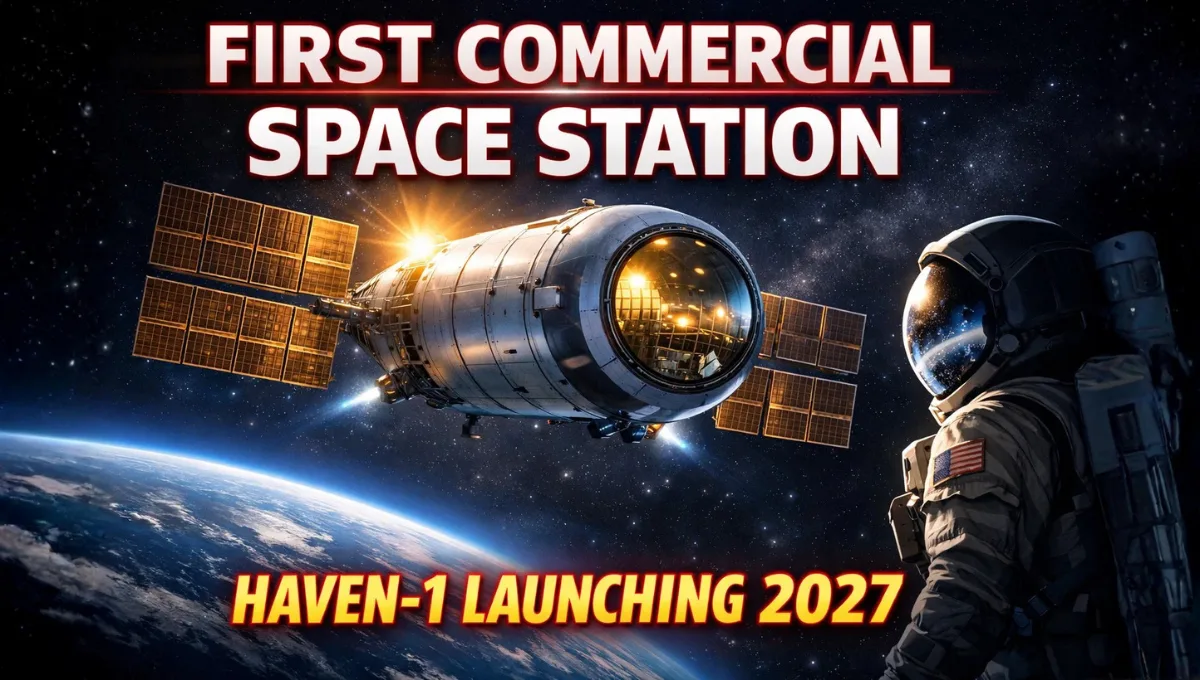
The First Commercial Space Station: For more than two decades, the International Space Station has served as humanity’s lone outpost in low Earth orbit, a sprawling laboratory where astronauts from around the world conduct experiments and push the boundaries of science. But with NASA planning to retire the ISS around 2030, the future of human presence in orbit is shifting toward private enterprise. Leading that transition is Vast, a California startup that is assembling Haven-1, the world’s first fully commercial space station.
Set to launch uncrewed in the first quarter of 2027 aboard a SpaceX Falcon 9, Haven-1 marks a pivotal moment. It will be the first privately built and operated station designed from the ground up for commercial use, independent of any government-run facility.

From Empty Warehouse to Orbital Habitat
Vast was founded just a few years ago with an ambitious goal: build large, affordable space stations faster than anyone thought possible. In a January 2026 interview with Ars Technica, CEO Max Haot described how the company started with an empty building and no team, yet reached major milestones in under four years.
The primary structure of Haven-1 was fully welded and completed by early January 2026. Acceptance testing wrapped up late last year. As of this month, technicians in a clean room have begun integrating critical systems like thermal control, propulsion, avionics, and interior panels.
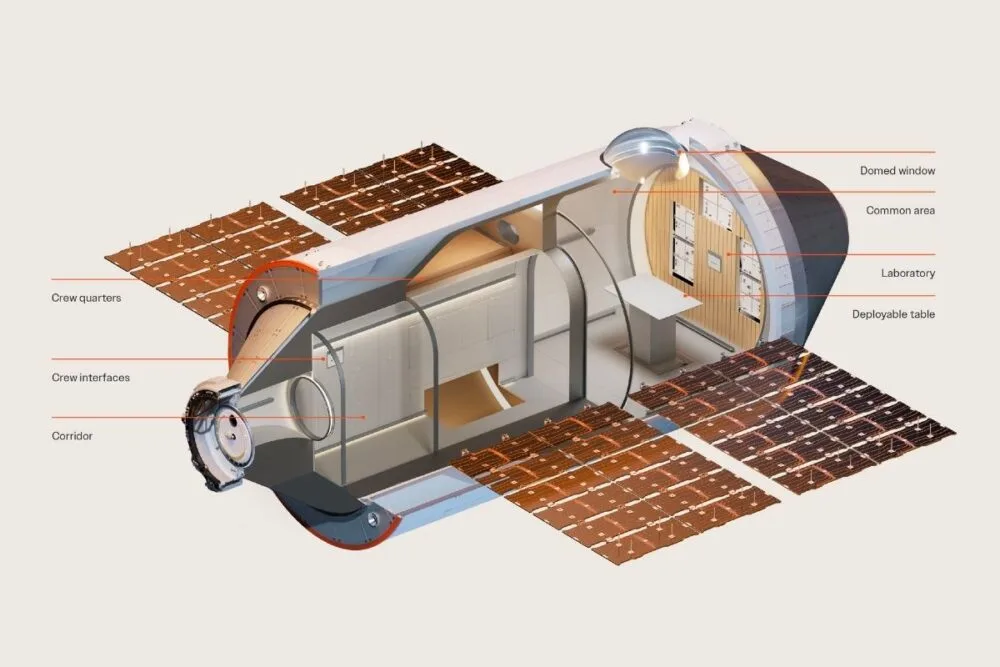
The station weighs about 15 tons and stretches roughly 10 meters long. It features deployable solar arrays generating substantial power and a large 1.1-meter domed window offering sweeping views of Earth. Vast’s official website highlights in-house manufacturing of key components, from battery modules to cold plates, allowing tight control over quality and schedule.
This hands-on approach paid off. The company recently passed structural testing and began full integration on January 20, 2026. Final environmental tests are planned for late this year at NASA’s Plum Brook Station in Ohio, clearing the path for a 2027 launch.
Life Aboard the First Commercial Outpost
Haven-1 is not meant to replicate the massive ISS, which spans the length of a football field and hosts crews for months at a time. Instead, it serves as a more modest, human-centric habitat optimized for shorter visits.
The station can accommodate four crew members, traveling aboard a SpaceX Crew Dragon spacecraft that docks autonomously or with manual control. Nominal missions will last two weeks, including travel time, though longer 30-day stays are possible.
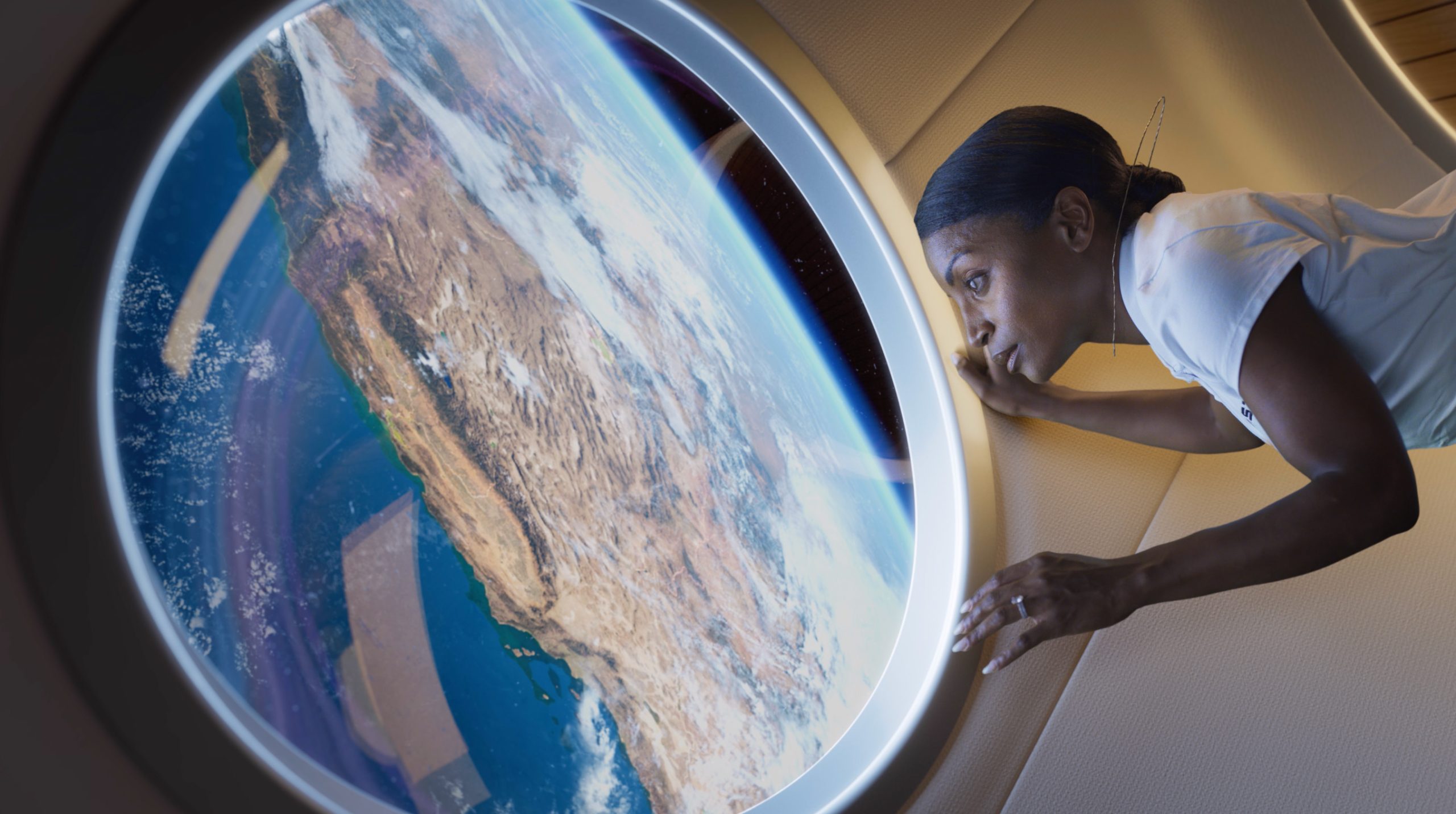
Inside, astronauts will find spacious quarters by orbital standards, advanced life support systems, and high-bandwidth connectivity via Starlink. A trace contaminant control system, ventilation fans, and oxygen trays ensure a safe environment. Vast emphasizes comfort, with that massive dome window designed for both scientific observation and stunning photography.
After an uncrewed launch and checkout period that could take as little as two weeks, the first crewed mission could follow quickly. Vast has already secured one fully contracted flight and another with a deposit, according to company updates. Negotiations are underway with private individuals and national space agencies for additional slots.
These missions will focus on microgravity research, in-space manufacturing, and technology demonstrations. Private astronauts will undergo six to twelve months of training, covering everything from medical qualification to high-gravity simulation.
Why Haven-1 Matters Now
The timing could not be more critical. NASA has made clear its intention to deorbit the ISS by the end of the decade, transitioning low Earth orbit activities to commercial providers. In agency statements and budget documents, officials stress the need for seamless continuity to avoid a gap in American presence in orbit.
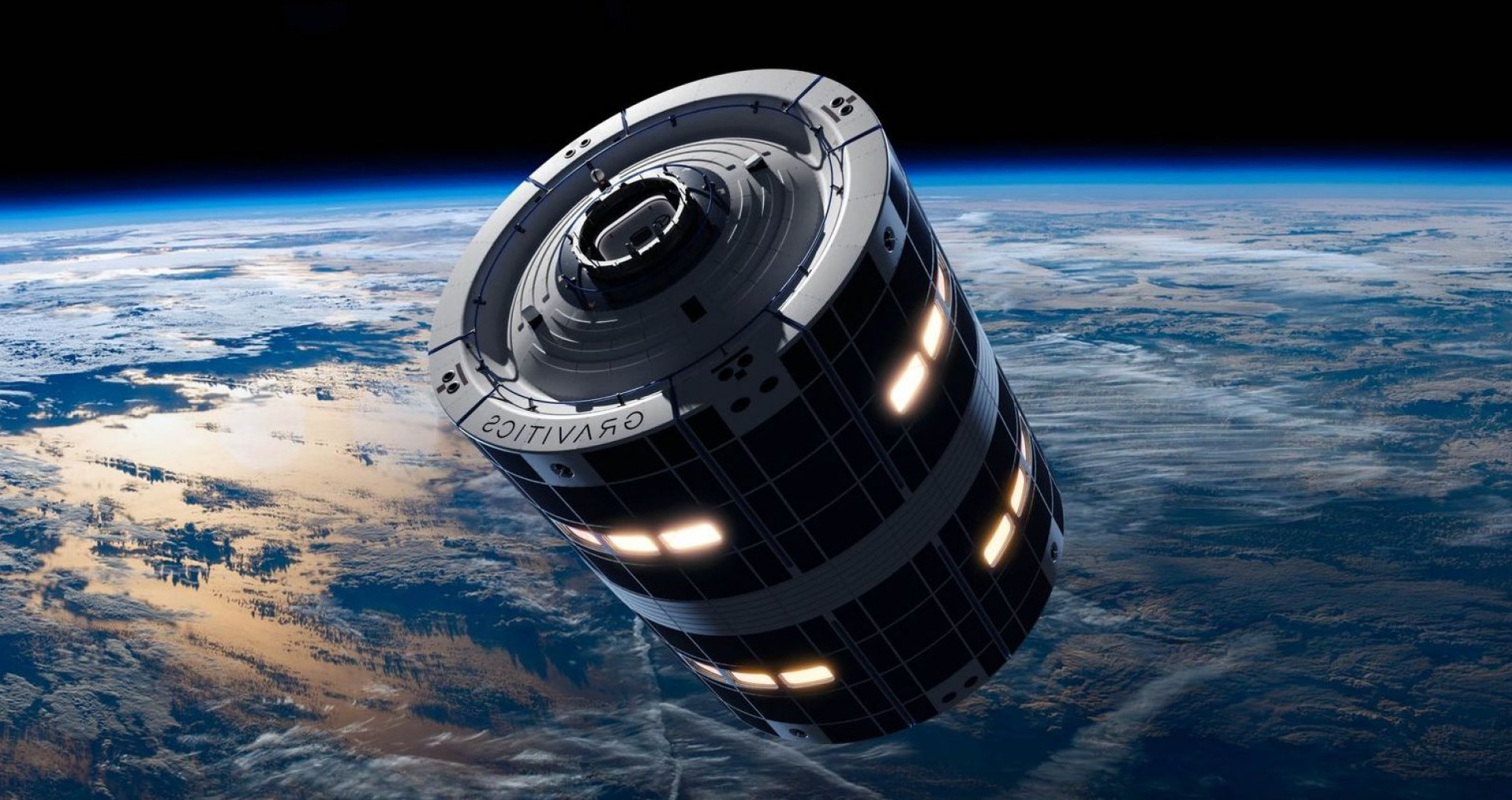
Vast positions Haven-1 as the bridge. It will demonstrate key technologies like pressure holding, attitude control, and crew safety before scaling up. The company plans a follow-on station, Haven-2, with multiple modules launching starting in 2028 and aiming for continuous habitation by 2030.
Haot told Ars Technica that Vast remains one to two years ahead of competitors. Axiom Space, for instance, is attaching modules to the ISS starting later this decade before eventually detaching to form its own station. Voyager Space’s Starlab, a joint venture with Airbus, targets a single-launch deployment around 2029. Blue Origin’s Orbital Reef remains in earlier development stages.
Vast has not yet decided whether to bid in NASA’s next Commercial Low Earth Orbit Destinations phase, but Haot urged the agency to move quickly on requirements and select multiple providers for redundancy.
Opening the Orbital Economy
Beyond government contracts, Haven-1 aims to unlock new markets. Private space tourism is one obvious draw. Wealthy individuals or sponsored researchers could book seats for groundbreaking experiments in pharmaceuticals, materials science, or advanced manufacturing, where microgravity offers unique advantages.
National space programs without their own stations might purchase missions, similar to how countries currently buy seats on Soyuz or Dragon flights to the ISS. Vast is already in advanced talks with sovereign partners.
The station’s design allows repairs or upgrades in orbit, and some components can return to Earth for servicing. This modularity keeps costs down compared to the aging ISS, which requires constant maintenance flights.
Industry analysts see this as the start of a broader orbital economy. A December 2025 report from Payload Space noted growing investor confidence in commercial destinations, with Vast raising significant funding to employ over 1,000 people.
Challenges on the Horizon
Building the first commercial space station is no small feat. Vast recently adjusted its timeline from mid-2026 to early 2027, citing the complexities of developing everything from scratch while prioritizing safety. In his Ars Technica interview, Haot acknowledged the slip but expressed confidence in the new date.
Supply chain issues, rigorous testing, and regulatory approvals all play a role. Yet the progress is undeniable. From first welds in early 2025 to clean room integration today, Vast has moved at a pace that larger, more established players have struggled to match.
A New Chapter Above Earth
When Haven-1 reaches orbit in 2027, it will not just be a technical achievement. It will signal that private companies can sustain human presence in space without relying solely on government programs.
The station may be smaller than the iconic ISS, but its impact could be larger. It opens the door for more frequent flights, diverse crews, and innovative business models. Researchers dreaming of microgravity experiments, entrepreneurs eyeing orbital factories, and adventurers hoping for a view from the dome window all have reason to watch closely.
As the ISS era winds down, Haven-1 stands ready to begin the next one. The stars are no longer just for superpowers. They are becoming a destination for anyone with the vision to reach them.
1 thought on “Haven-1: The First Commercial Space Station Poised to Launch a New Era in Space”